Olympic Mascots
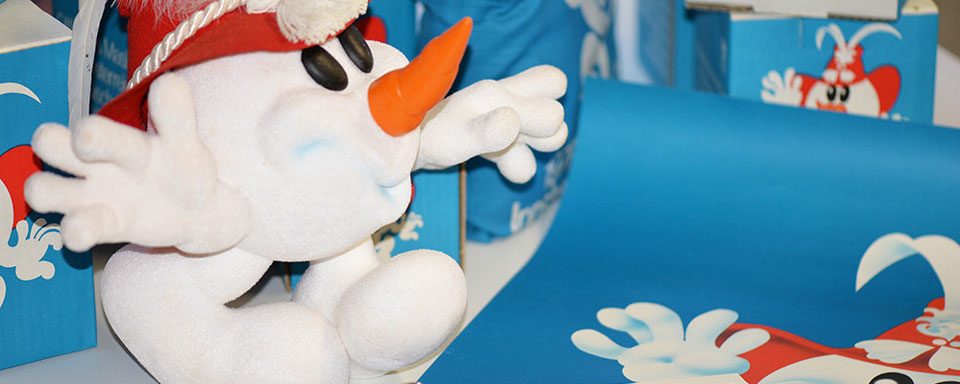
A mascot is defined in the dictionary as a lucky charm—and that is precisely what the Olympic mascot has become over the past fifty years or so. They are popular with people of all ages, and organizers are particularly grateful for the welcome revenue generated by multi-million-euro licensing agreements.
While the first mascot—"Schuss" at the 1968 Winter Olympics in Grenoble—was little more than a publicity stunt, the first mascot of the 1972 Summer Olympics in Munich was commercially marketed and proved to be a huge success.
Since then, every Olympic Games has created its own mascot, often featuring animals or characters with a regional or historical connection to the host area. They are now produced in every conceivable form—such as plush toys, keychains, and posters, or as images on mugs and plates.
In any case, they serve as excellent promotional tools that extend far beyond the Games themselves. Building a collection is also possible without a significant financial outlay.